
Center One Dental Family & Cosmetic Dentistry
Oftentimes, teeth get all of the attention. However, healthy gums are just as important. To make sure they stay that way, you need to commit to a solid at-home oral hygiene regimen and come to our office every six months for a checkup and cleaning. That way, we can catch (and treat!) gum disease in the early stages, if it does develop. To learn more about gum disease treatment, read on or give us a call to schedule an appointment.
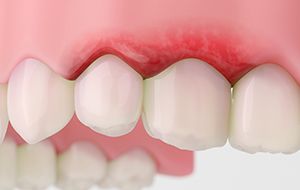
In short, gum disease is an extremely common infection of the gums. In the early stages, the symptoms are relatively minor, like inflammation. However, if the infection is left alone to progress, it can lead to more serious issues, including tooth loss. That’s why it’s so important that you schedule a dental visit every six months! These routine appointments allow Dr. Raj Vekariya to screen your gums and, if he spots a problem, take care of it way before it has a chance to harm your smile.
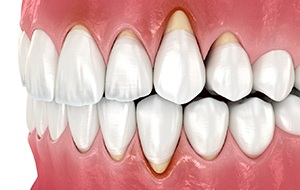
Here are a few common warning signs that something is wrong:
If you notice one or more of the above, then schedule an appointment at our office so we can determine if you’re a good candidate for gum disease treatment in Canonsburg.

Our team at Center One Dental is able to provide two types of gum disease treatment: antibiotic treatment and scaling and root planing. Below, you’ll find a brief overview of each.

We advise scaling and root planing for patients with mild-to-moderate gum disease. Effectively a “deep cleaning” of your gums, this procedure removes the bacteria causing your infection. The initial scaling uses tools to remove plaque and tartar from around the gumline, while root planing smooths your tooth roots (to ensure your gums reattach properly). This two-step process will thus make your gums much healthier, either eliminating or managing your gum disease. To learn more, please keep reading or call us soon.

To see if you need scaling and root planing, you should consult Dr. Vekariya in person. He can conduct an oral exam that checks you for relevant symptoms, including those like:
The above signs are reversible with good oral care, but they warrant scaling and root planing when your infection is severe. In the latter scenario, only treatment would manage (or undo) your symptoms.
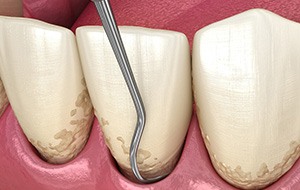
As its name implies, scaling and root planing takes two dental visits. While the first one performs the scaling, the second session handles the subsequent root planing.
Most of the actual “gum cleaning” occurs at the scaling visit. During that appointment, Dr. Vekariya uses dental tools to remove plaque and tartar from above and below your gumline. This process ensures the best results by moving as far down as your actual gum pockets.
For the root planing session, our team makes sure you recover properly. That means we smooth out your tooth roots and eliminate any bacterial deposits stuck to them. In doing so, we help your gum tissues reattach healthily and reduce your risk of a re-infection.

Scaling and root planing is fairly invasive, so healing from it often takes weeks. That recovery period also involves various aches and pains in your smile. Thankfully, you can manage your (temporary) post-treatment soreness with the following tips:
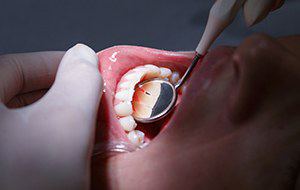
After your periodontal cleaning, our team may decide to use antibiotic therapy to help further fight the infection. A medicine called ARESTIN will be applied directly to your gums, where it will quickly harden into a wax-like texture. It will slowly dissolve over the next few days, allowing a powerful antimicrobial agent to reach even the most deeply hidden bacteria. Afterward, you’ll be advised to come see us more frequently for regular dental cleanings to make sure you’re healing well and staying free of disease.